***Cross-posted to ruralsuburbia.com (another blog of mine I’m trying to get back into writing for)
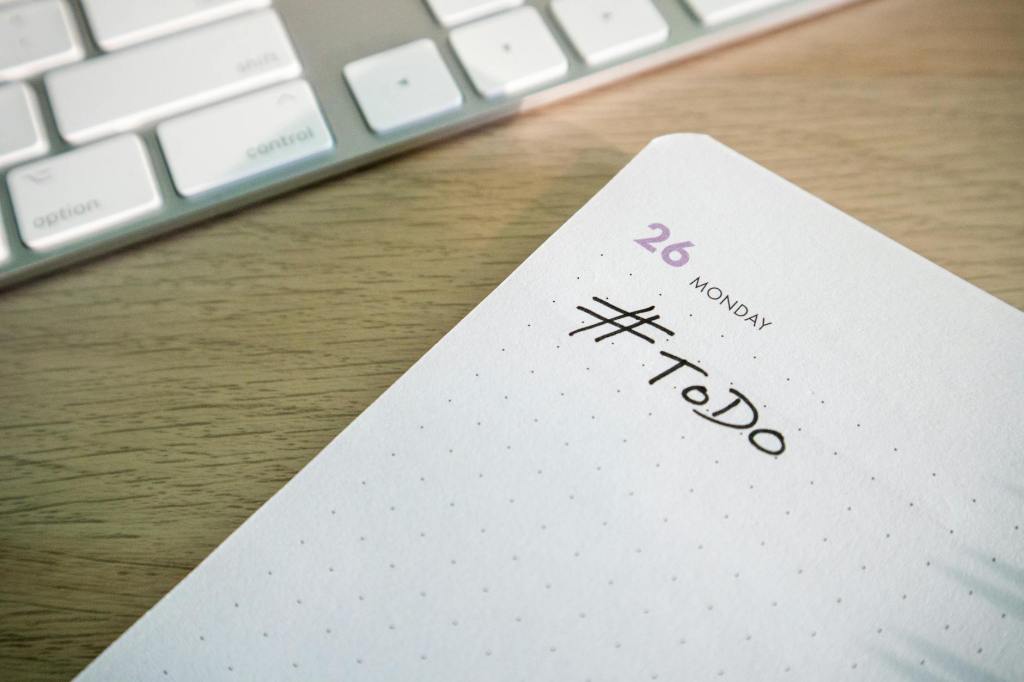
I sat down this morning to make out my Spring To Do List (house, garden, etc.) and realized there’s more going on this year than there has in the last few.
For one thing, there are new categories. House and garden are still there but I’m adding crafting, grad classes, fertility treatments, and blogging more consistently. On top of that I’ve increased my obligations at work. These sound like crazy decisions to have made pretty much all at the same time, but I’m also kind of excited about them. My life has felt fairly stagnant for the last couple of years so it’s nice to feel like I’m moving.
So, how do I keep it feeling excited and not overwhelming to my prone-to-anxiety brain? I’m still working on that, in all honesty, but I’ll share what’s working so far.
1) Have a Plan
I don’t mean this in a plan or schedule your life away. Despite what lots of people suggest and say on the internet, schedules make me more stressed, not less. If you’re the same, take this as permission to put the calendar down. It’s ok if it doesn’t work for you, I promise.
Instead, I find that it’s more important to have an idea of when things are coming up and when they’re due or, for appointments, scheduled. Each week, revise the list and each day visit with it. Add to it or edit it as need be. I don’t schedule a block of time to check this list, I usually do it at breakfast or right after. Sometimes I look at it at lunch, or right before I leave work. Find a time that works for you without stressing yourself out. Then just sit with the list.
2) Prioritize, Chunk, Group
I know for some, lists are stressful. My mother, for example, finds that long lists can make her more overwhelmed because there’s just too much on them. If that’s you then this section might help.
First, if you have an overwhelming list, prioritize. This gets hammered into the ground in the self-help world but it’s true and it can work. Prioritizing is just what it sounds like but, and here’s the key in my opinion, write out your prioritized tasks on a separate list. Then file the old list (or throw it out) and focus only on the priorities list. When that list is done go back to the old list (or create a new one), have fun crossing everything off, feel massively accomplished, and prioritize again. I do this with a lot of the house and garden projects.
Another good tip is chunking. This term gets used a good amount in education, so I’m not sure how specialized it is. Basically chunking is the idea of breaking a large task down into smaller tasks. Now, if you do this for everything on your list it will get very very long. So don’t do it. Instead, take your priorities and figure out step 1 (and maybe 2) for all of those. Feel free to make a new list of just those steps, but you may not need to at this point. Prioritizing again could also be a good idea at this point.
When you finish this round of chunking, chunk again.
Grouping can also help. Sometimes I find that some of my tasks, or chunked steps, overlap. For example, there might be two or three tasks/steps that require me to go to the same store. I group those together and only worry about going to that store once. That group is then “on hold” until I make it to the store and making it to the store is the new task on the priorities list. Make sense?
3) Revision is a Way of Life
It may be obvious from previous paragraphs, but a big part of this process called life is revising. New to dos are always going to get added on, plans will always change, and something will almost always come up. How to deal with unexpected changes? Revise. Be flexible. Don’t be afraid to throw out the list for the day or week or month and make a brand new one.
Revision is why I don’t like schedules. Schedules suggest that a certain task or activity has to happen at a certain point or time and, if it doesn’t happen, the whole schedule is off somehow and you might feel like you failed. Alternatively, with revision, you’re more free to move things around. Didn’t wake up early enough to exercise? That’s ok, just look at your day’s list and see where it can fit in. Forgot an ingredient for Tuesday’s meal? No worries, see what else is on the list that you can make and add a trip to the grocery store on Wednesday’s list.
The point of revision is to acknowledge that life isn’t perfect and that’s ok. Don’t let it derail you, just adjust accordingly.
4) Plan to Drop the Ball
If this is starting to seem like a juggling act, that’s because it is a bit. The analogy of juggling plastic and glass balls has been used over and over because it’s a good comparison. Life throws you a lot and juggling is how it can feel. It’s also true, though, that some balls are made of plastic and some are made of glass. Some tasks you can afford to let go, and some you just can’t.
When you look at your list, plan for which balls could be dropped. My sister calls these her “nice to dos.” These are tasks like calling a friend, making a home cooked dinner every night, or finally tackling your closet. These are items which, if not done, won’t really cause your life to collapse. The occasional dinner out, a text instead of a phone call, may help to keep the balls somewhat afloat. Other balls, like closet organization, you may just need to drop for now.
Notice, I say “for now” and “occasional.” The trick of dropping a ball is to plan to pick it back up again or, as previously stated, chunk it into smaller balls that are easier to juggle. Not all the balls are the same size, not all of them need to be the same size, and smaller balls are easier to juggle.
5) Delegation Is Not Giving Up
I had to learn this one in my 20s and 30s. Admitting you can’t do it all and aren’t a one-man-band is not the same thing as failing and being weak. We aren’t meant to do it all and the phrase “it takes a village” really is accurate. Sometimes I look at my husband and say that I just can’t do dinner, or the dishes, or whatever. Maybe I can’t because of a bad day at work, or maybe I’m feeling sick, or maybe I have an unexpected work meeting. For whatever reason, I go to my husband, let him know, and we change plans (revise) accordingly. Some days this means he does the task, other days neither of us do the task and we just put that ball down until tomorrow.
Trust your supports and don’t be afraid to reach out when life is overwhelming. Sometimes delegation is just “can you listen and face the overwhelm with me” and sometimes it’s “can you help me complete such and such task.” Both kinds of delegation are good.
6) Finally, “No”
This is another concept I still have some trouble with. Saying “no” always felt like letting someone down, not showing up for others, and just being rude. Over the years I have learned that there are, of course, less rude ways of saying no then just saying no. “I think I have too much else going on” is not a bad alternative. “I’m afraid I won’t be able to give enough attention to it at the moment” can be a good one for work.
However you say it, it can save your list and your sanity. Boundaries really are healthy and besides, you want to only juggle the balls you want to, or have to, juggle right?
Conclusion
When life ramps up, and your to do list seems impossibly long, take a moment and evaluate. Follow the suggestions in this post, or find whatever methods work for you, and breathe. Things are always changing and, however it feels right now, you won’t always be this busy. Promise.
 The One Notebook Principle
Leave a comment